Tiles Industry Update: War Impact on Global Ceramic & Porcelain Tile Trade
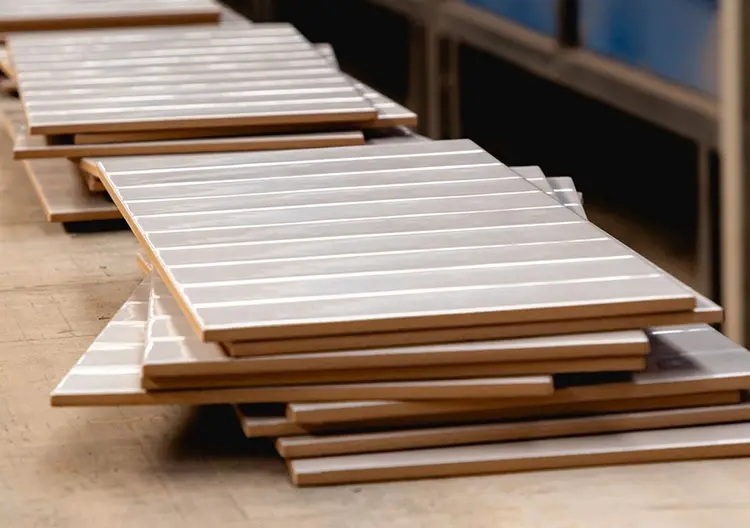
The tiles industry doesn’t react slowly to global events—and the current geopolitical tensions are a clear example of that. Over the past few months, the ongoing conflict in the Middle East has started to show direct consequences across the ceramic and porcelain tiles supply chain, especially for export-driven markets like India.
From fuel shortages in Morbi to rising freight costs and delayed shipments, the situation is no longer theoretical—it’s operational.
Fuel Disruptions Are Hitting Production First
If there’s one thing that defines tile manufacturing, it’s energy dependency. Kilns don’t run without consistent fuel supply—and right now, this is where the biggest disruption is happening.
A large part of India’s tile industry relies on propane and natural gas imports routed through conflict-affected regions. With supply tightening and prices becoming unpredictable, many manufacturers—especially in Morbi—have either reduced production cycles or temporarily shut down lines.
This isn’t just about cost increase. It’s about inconsistent availability, which is far more difficult to manage in a continuous production setup like tiles.
Logistics Has Become Unpredictable
Even when production is managed, moving goods has become another challenge.
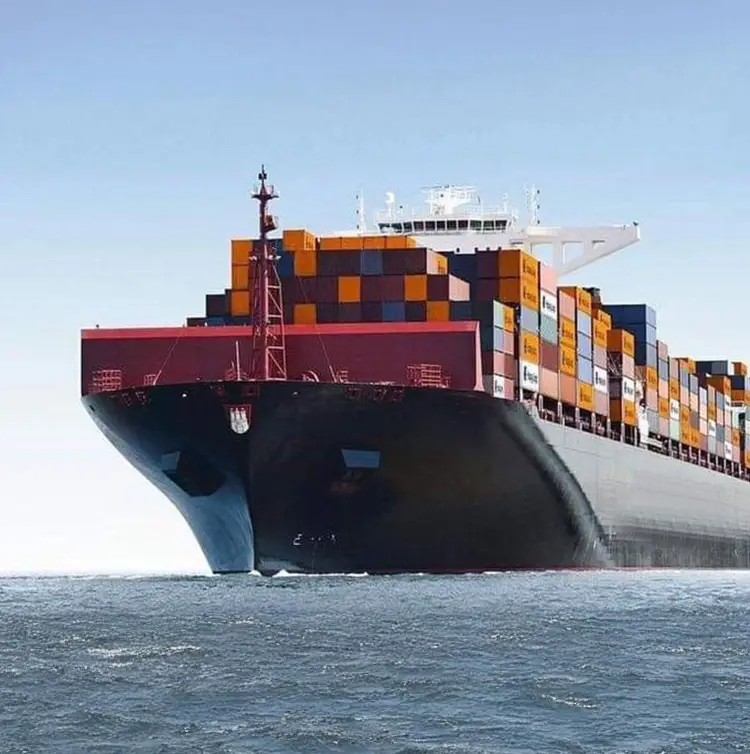
Shipping routes through the Red Sea and nearby corridors are facing disruptions, leading to:
– Longer transit times
– Sudden freight rate spikes
– Difficulty in securing containers
For exporters, this creates a chain reaction. Commitments to international buyers become harder to meet, and timelines—once a strong point for Indian exporters—are now under pressure.
Pricing Pressure Is Building Across the Market
With fuel and logistics both under stress, price correction was inevitable.
Tile prices have already started moving upward, and while the increase may look moderate on paper, the real issue is margin pressure. Manufacturers are absorbing a part of the cost to stay competitive in global markets.
At the same time, buyers—especially in large projects—are becoming cautious due to the ongoing circumstances. This results in slowing down of decision-making, which eventually impacts overall demand flow.
Export Markets Are Showing Early Signs of Slowdown
The Middle East has always been a strong market for Indian tiles. With the current situation, demand from that region has softened—not drastically, but enough to be noticed.
At the same time:
– Payment cycles are becoming longer
– New inquiries have slowed down
– Buyers are waiting for stability before committing
For exporters, this means balancing inventory, production, and pricing more carefully than usual.
Morbi Cluster: The Real Ground Impact
The situation is most prominent in Morbi, which is essentially the backbone of India’s tile exports.
With hundreds of units dependent on steady fuel supply, even a short disruption has a ripple effect on the overall business:
– Production cycles get interrupted
– Labour deployment becomes uncertain
– Output planning goes off track
For an industry that runs on volume & continuity, this kind of instability is difficult to absorb for long term.
What Businesses Are Doing Right Now
There’s no one-size solution, but across the industry, a few clear shifts are visible:
1. Exploring alternative fuels: Some manufacturers are experimenting with coal-based systems or hybrid fuel setups, though scalability remains a concern with the alternative methods.
2. Market diversification: Exporters are actively pushing into Europe, Africa, and the US to reduce dependence on a few regions.
3. Tighter production planning: Instead of aggressive output, companies are aligning production more closely with confirmed orders to mitigate the financial risk involved with the business.
4. Focus on value over volume: There’s a visible push toward premium vitrified tiles and large-format surfaces, where margins are slightly better protected.
Short-Term Uncertainty, Long-Term Stability
The current situation is serious, but not entirely new for the tiles industry. Phases like fuel shortages, logistics disruptions, and uneven demand have come and gone before.
What stands out this time is the speed of impact. A disruption in one region doesn’t stay local—it quickly affects multiple areas:
– Raw material availability
– Production schedules
– Export movement
– Demand in key markets
At the moment, the industry is adjusting on the go. Prices are shifting, exports are uneven, and buyers are taking more time before confirming orders.
Looking ahead, this phase is likely to influence how businesses operate:
– More attention to energy usage
– Better supply planning
– Reduced dependence on limited markets
Final Take
This isn’t just a cost issue—it’s a stability issue.
The companies that navigate this phase well will be the ones that stay flexible—on fuel, on markets, and on production strategy.
For buyers and partners, the key is to stay aligned with suppliers who can offer consistency, even in uncertain conditions.
The tiles industry doesn’t react slowly to global events—and the current geopolitical tensions are a clear example of that. Over the past few months, the ongoing conflict in the Middle East has started to show direct consequences across the ceramic and porcelain tiles supply chain, especially for export-driven markets like India.
From fuel shortages in Morbi to rising freight costs and delayed shipments, the situation is no longer theoretical—it’s operational.
The industry is experiencing a halt in production due to the ongoing global tension between the United States of America and Iran. All the manufacturers have stopped their production due to the high cost of production.