
How to Choose the Right Parking and Outdoor Tiles for Heavy-Traffic Areas: A B2B Buyer's Guide
For heavy-traffic parking & outdoor areas, choose tiles rated PEI Class 5, with a slip resistance (R-rating) of R11 or higher, water absorption below 0.5%, and a thickness of 10–20mm depending on vehicle load. Full-body vitrified tiles in textured finishes (anti-skid, wooden, or punch) are the most durable choice, since the color and pattern run through the entire body of the tile and resist wear from constant footfall and vehicle movement.
Why Standard Tiles Fail in Parking & Outdoor Spaces
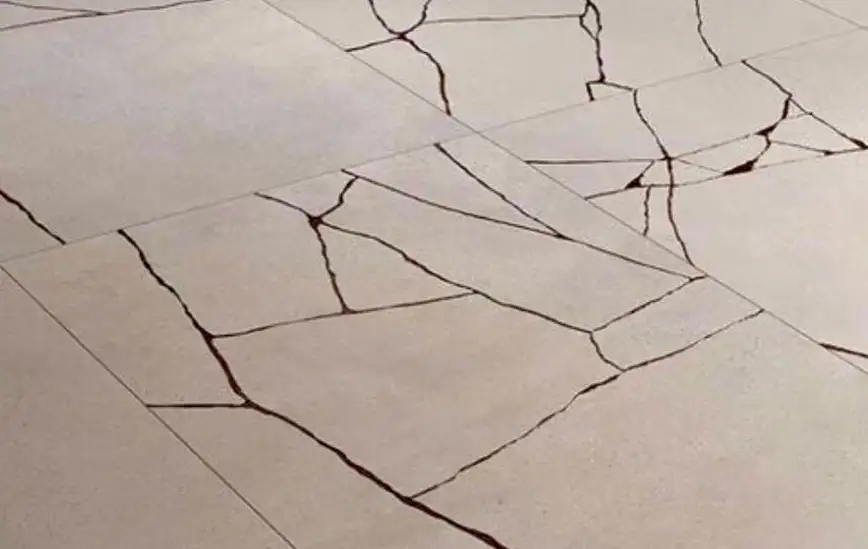
Parking lots, driveways, building entrances & other outdoor surfaces face a combination of stresses that indoor flooring never comes across: constant vehicle weight, direct sun and rain, temperature swings, oil and chemical spills, and heavy foot traffic. A tile that performs well in a living room can crack, fade, or become dangerously slippery when used outdoors within a year.
Choosing the right tile isn’t just an aesthetic decision — it’s a technical one. Buyers who get this wrong end up with cracked pavers, faded surfaces, and costly replacement projects. The following factors are what actually determine whether a tile will hold up.
Key Factors To Determine Tile’s Durability
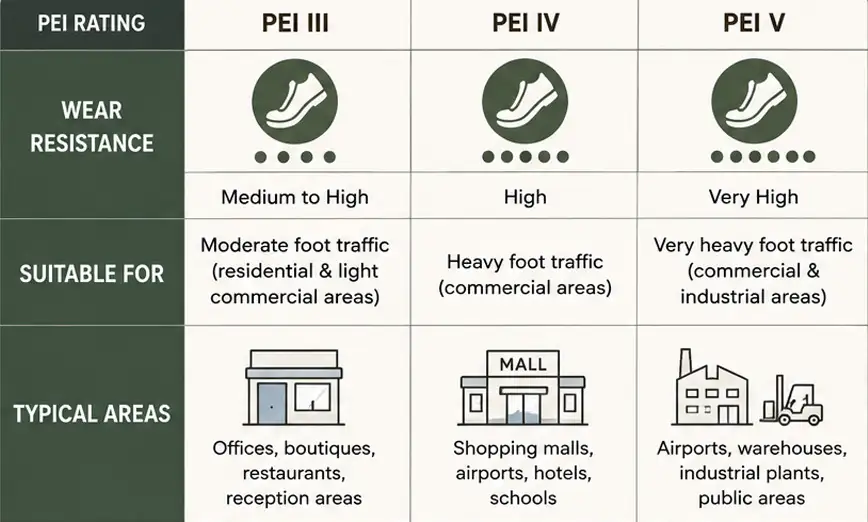
1. PEI Rating (Abrasion Resistance)
The Porcelain Enamel Institute (PEI) rating measures the tile’s surface resistance against foot & wheel traffic:
● PEI 3 – Light residential traffic only
● PEI 4 – Medium-to-heavy residential and light commercial traffic
● PEI 5 – Heavy commercial and industrial traffic, including vehicles
For parking areas, driveways, and building exteriors, PEI 5 is the minimum standard worth considering.
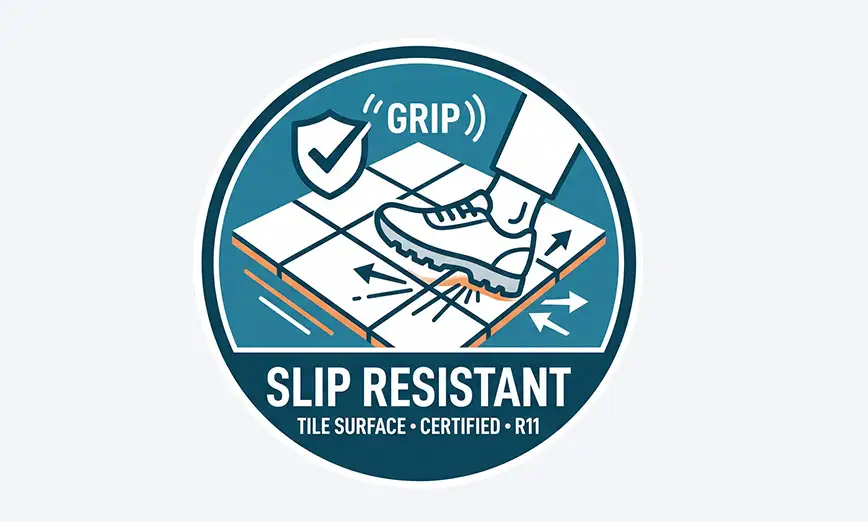
2. Slip Resistance (R-Rating)
Outdoor tiles are exposed to rain, because of which slip resistance becomes non-negotiable. The R-rating scale (R9–R13) measures a surface’s resistance to slipping when wet:
● R9–R10 – Suitable for completely covered, low-moisture areas
● R11–R12 – Recommended for open parking areas, ramps & building entrances
● R13 – Required for steep ramps or areas prone to oil and chemical spillage
Textured, matte, or anti-skid finishes generally test higher on the R-scale than polished or glossy finishes — which is why polished tiles, however attractive, are a poor choice for parking areas.

3. Water Absorption
Water absorption determines how a tile handles rain, humidity & freeze-thaw cycles:
● Ceramic tiles: 3–7% absorption — acceptable for covered or dry-climate applications, but not for regions with heavy rainfall or frost
● Vitrified tiles: below 0.5% absorption — the benchmark for outdoor use
● Natural stone: varies widely by stone type and requires sealing to control absorption
Low absorption prevents water from seeping into the tile body, which is what causes cracking in freeze-thaw climates and efflorescence (white staining) in humid ones.
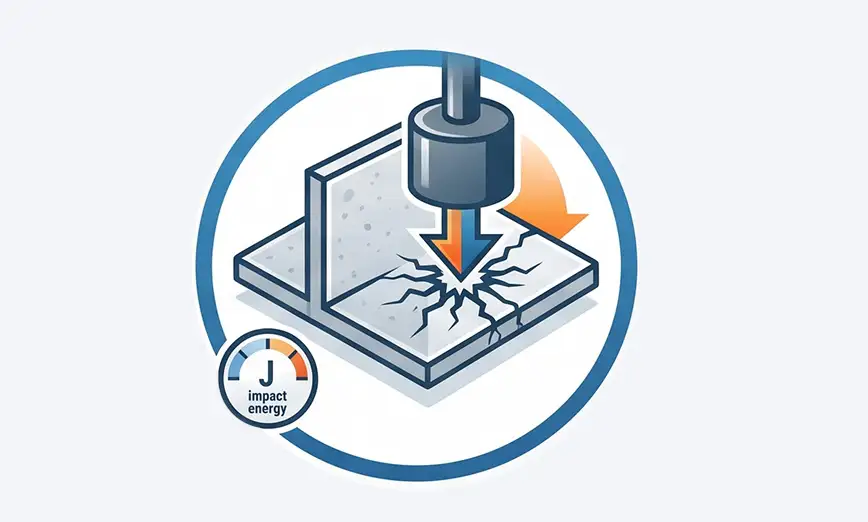
4. Breaking Strength & Thickness
Parking tiles are subject to regular vehicle loads, so mechanical strength is more crucial here than in any other tiling application. Look for:
● Breaking strength of at least 1,300 N (Newtons), tested per ISO 10545-4
● Thickness of 10mm for light passenger vehicle parking, moving up to 18–20mm for heavier vehicles or commercial-load areas
Vitrified vs Ceramic vs Natural Stone: Which Material Wins for Parking Areas?
| Factor | Full-Body Vitrified | Ceramic | Natural Stone |
|---|---|---|---|
| Water absorption | Below 0.5% | 3–7% | Varies (sealing recommended) |
| Breaking strength | High | Moderate | High, but can be brittle to chipping |
| Slip resistance options | Wide range (textured/anti-skid) | Limited | Depends on finish |
| Color consistency after wear | Excellent (color runs through body) | Surface layer can wear off | Natural variation; no wear-through issue |
| Best for | Parking lots, driveways, high-traffic exteriors | Covered or light-duty outdoor spaces | Premium facades, low-to-moderate traffic zones |
For most heavy-traffic parking and outdoor applications, full-body vitrified tiles offer the best combination of strength, low absorption, and design flexibility — which is why they dominate commercial parking installations globally.
Choosing the Right Finish
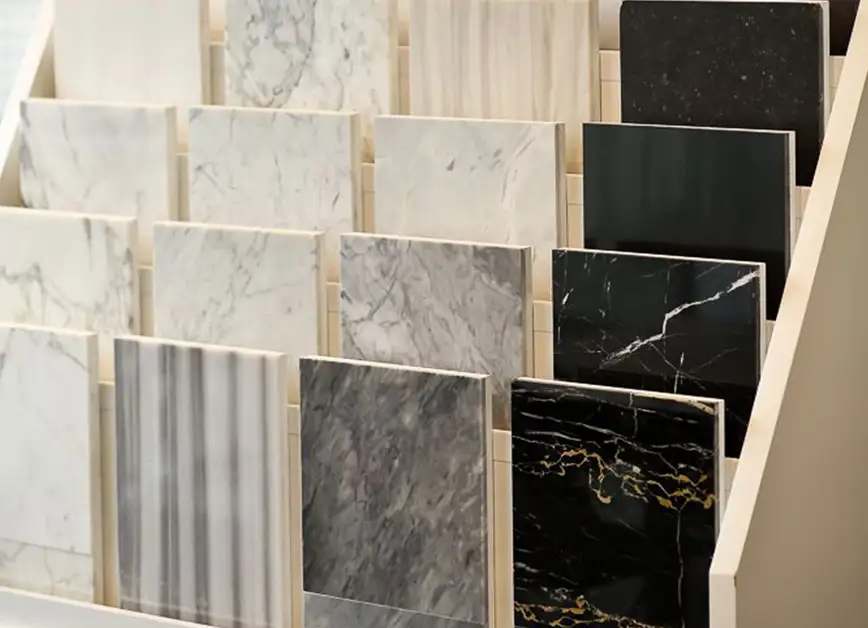
Finish affects both the grip & appearance of the tile. Common outdoor/parking finishes include:
● Anti-skid / Punch finish – A textured surface engineered specifically for slip resistance, ideal for open parking areas and ramps.
● Wooden finish – Combines the visual warmth of wood with the durability and slip resistance of vitrified tile, popular for pathways and semi-covered parking.
● Moroccan / pattern finish – Adds design character to driveways and entrances while retaining textured grip.
● Plain matte finish – A clean, minimal look with reliable slip resistance for straightforward commercial applications.
Avoid high-gloss or polished finishes for any surface exposed to rain or oil — they consistently test lower on slip resistance regardless of material quality
Size Considerations
Common sizes that are usually available for parking and outdoor tiles range from 300x300mm to 400x400mm, with larger formats mainly used for driveways & plazas.
Smaller formats are mostly preferred because:
● They handle thermal expansion better across large outdoor areas
● They allow more frequent expansion joints, reducing cracking risk
● They are easier to replace individually if damaged
Larger-format tiles offer a more seamless look but require more careful substrate preparation & expansion joint planning.
Installation Practices That Extend Tile Life
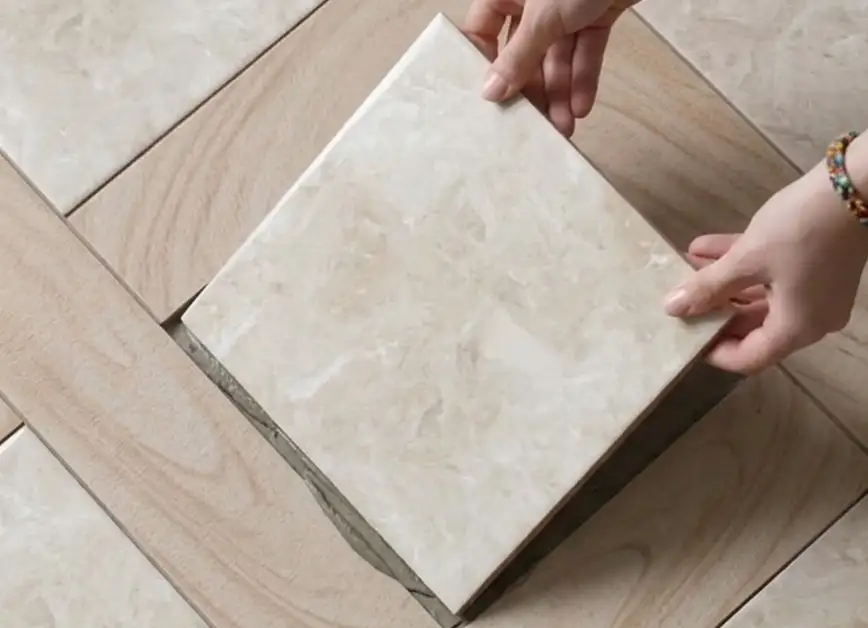
Even the right tile will fail prematurely if installed poorly. Buyers & specifiers should confirm the following:
● Proper sub-base preparation — a compacted, stable base is essential under vehicle load
● Adequate slope (minimum 1–2%) for water runoff, preventing pooling that further accelerates wear
● Frost-resistant adhesives & grout in colder climates, matched as per the absorption rating of the tile
● Expansion joints at regular intervals to accommodate temperature-driven movement
Maintenance Tips for Parking & Outdoor Tiles
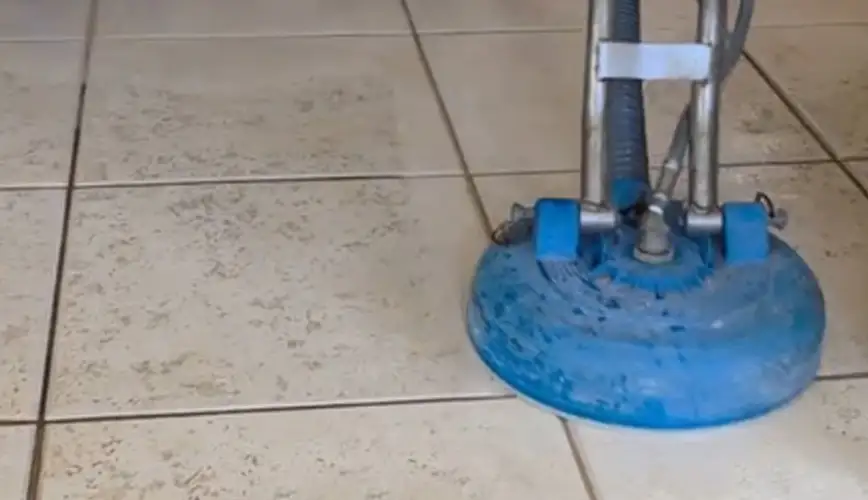
● Clean oil & chemical spills promptly, even on low-absorption tiles, to avoid staining
● Sweep or hose down on a regular basis to prevent grit buildup, which accelerates surface abrasion
● Re-seal natural stone tiles periodically if used in outdoor applications
● Inspect grout lines annually and re-grout as needed to prevent water ingress at joints
A Checklist Before Placing a Bulk Import Order
1. Confirm PEI rating of 5 if the intended usage is for vehicular/heavy-traffic zones
2. Request the supplier to provide water absorption test data (ISO 10545-3)
3. Request breaking strength data (ISO 10545-4)
4. Match tile thickness as per the expected load
5. Request for samples to assess the actual performance of the tile, don’t just believe the marketing descriptions
6. Confirm R-rating meets local building code for the application (ramps typically require higher R-ratings than flat areas)
7. Confirm packaging and consignment standards suit your shipping route and climate
FAQs
PEI Class 5 is recommended for parking areas & other zones exposed to constant vehicle and heavy foot traffic, as it offers the highest abrasion resistance available in commercial tiling.
Yes. Full-body vitrified tiles have water absorption below 0.5%, versus 3–7% for ceramic, making them far more resistant to cracking, staining, and freeze-thaw damage in outdoor & parking applications.
R11 or higher is generally recommended for open parking areas & building entrances exposed to rain; ramps & spill-prone zones may require R12–R13.
Natural stone can be used but requires sealing to control water absorption and is more prone to chipping under concentrated vehicle loads compared to full-body vitrified tiles.
10mm is generally sufficient for light passenger vehicle parking, while 18–20mm is recommended for heavier vehicle loads or commercial/industrial parking areas.
Regatta Tiles manufactures and exports a wide range of parking and outdoor tiles — including Punch, Wooden, Moroccan, and Plain finishes in 400x400mm format — engineered for heavy-traffic durability and supplied to architects, contractors, and importers in over 60 countries. For bulk inquiries and technical specification sheets, contact Regatta Tiles.